Why Kids Stop Reading for Fun (And What Actually Helps)
Around age nine or ten, something shifts. The kid who used to disappear into a book on a Saturday morning is suddenly doing anything but. You notice their once-beloved pile of books gathering dust. You buy a new one, something they seemed genuinely excited about in the bookstore, and it sits there too. You start to wonder what changed.
The Decline by 9
Researchers actually have a name for this. They call it the “Decline by 9”. At age eight, about half of kids read for fun most days. By age nine, it's closer to a third. It keeps falling from there. It’s a developmental pattern so consistent it shows up across countries, income brackets, and reading backgrounds. It often arrives without warning and it leaves parents confused.
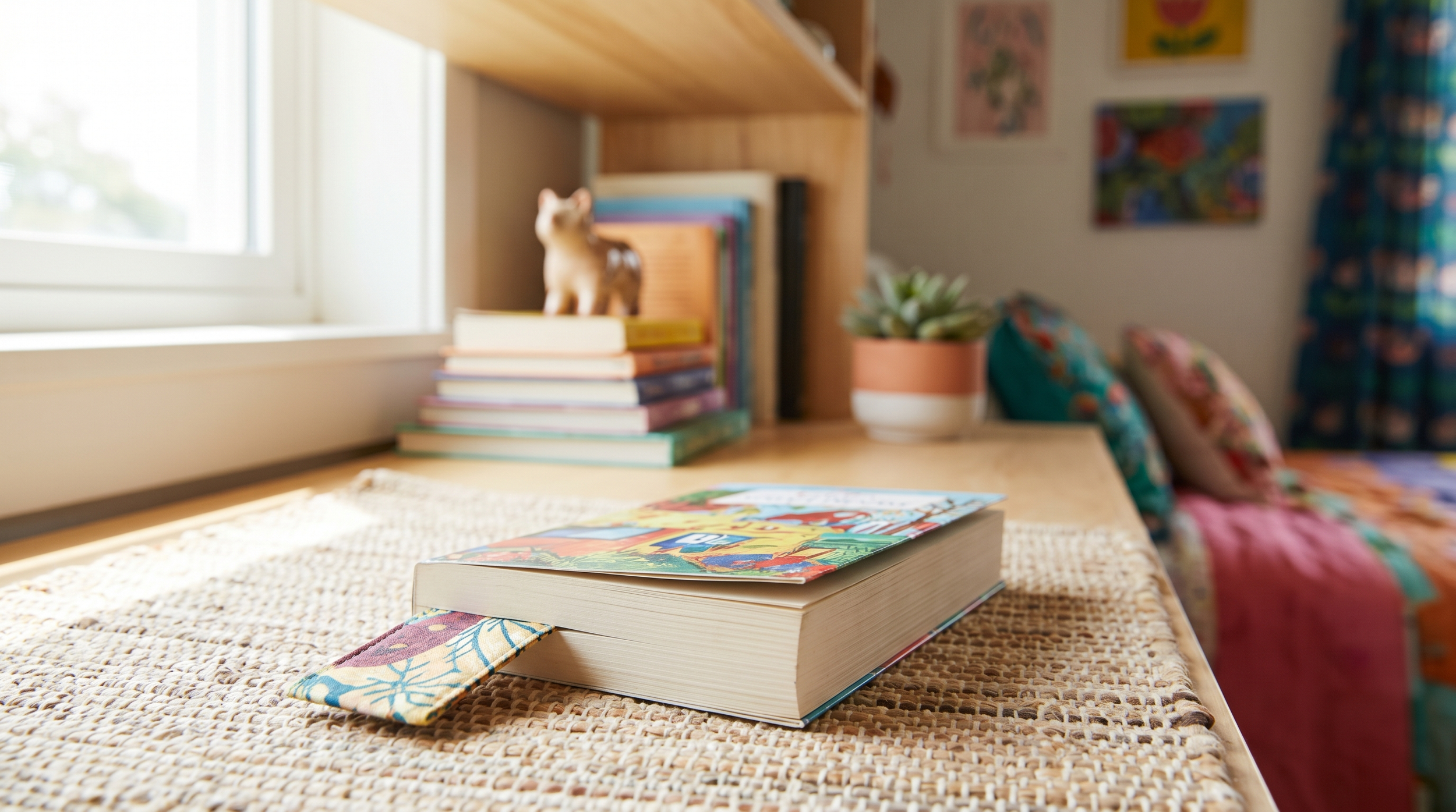
Once-beloved books, gathering dust by the window.
From Private Joy to Public Signal
What's actually happening, underneath the abandoned book pile, is something more complicated than boredom. Around ages nine to twelve, reading stops being a private act and starts being a social one. Kids become acutely aware of what they're seen doing, what they're seen carrying, and what their peers seem to think is worth doing at all. An eight-year-old reads because it feels good. A ten-year-old has started to notice whether it looks good, too. Solo activities start losing to anything social. It isn't that books have become boring. It's that the child is figuring out who they are in public, and for a lot of tweens, being seen with a book is not the signal they want to send.
The Problem with the "Reading Log"
Many would-be solutions don't work, and the reason they don't work is baked into how they're framed. The reading log. The assigned summer reading list. The enforced twenty minutes before bed. These treat reading as something to be managed, monitored, completed. They’re the wrong frame for a kid who has already decided reading doesn't feel like theirs. You can't monitor a child into wanting something.
Making Something Available
What does work is harder to manufacture, which is probably why nobody puts it on a tips list. It's reading that arrives with anticipation, the way a good thing arrives when you've been waiting for it. It's a story that involves someone who might feel like them, from a place they actually recognize, with a narrator who isn't performing diversity or delivering a lesson, but is just living a life. It's reading that belongs to the child rather than to the parent's wish for them. You can't assign that. You can only make it available.
That's what The Hyphen is built on, an attempt to make something available. Every month, a physical letter arrives from a fictional Toronto kid in a specific neighbourhood, written in their voice, about their ordinary life. Maybe she's in Parkdale and her upstairs neighbour keeps leaving mystery casseroles at the front door. Maybe he's in Scarborough and convinced his little brother is plotting something. It's a person describing what it's like to be them, connecting their specific neighborhood to wherever your child calls home.
No lesson. No moral. Just a voice, on paper, addressed to the reader by name.
A Quiet You Recognize
The Hyphen is one answer to the problem. Not the only one. It would never pretend that it is. Though, it does start from the right question. Not how do we get kids to read more, but what would make a kid want to open a hand-stamped envelope, sent by mail?
That's the thing worth holding onto, even if The Hyphen isn't the shape your answer takes. The goal isn't to get them back into a book. Rather, it's to notice one afternoon that they've been quiet for an hour, and the quiet is the kind you recognize.
Reading was always theirs to begin with.